🍄 Exploring the World of Mycotourism: A Journey into Mushroom Culture 🌍
Mycotourism is an innovative, specialized form of tourism that has been successfully introduced in regions such as Castilla y León, Spain. This unique travel experience helps counter seasonal tourism and contributes significantly to rural economies. As mycotourism grows in popularity across Europe, it highlights the deep connection between people and mushrooms, combining education, recreation, and a greater understanding of biodiversity.
🌲 The Appeal of Forests: Nature's Restorative Power 🍃
Tourism in its many forms offers benefits to both travelers and the destinations they explore. Woodlands, with their rich flora, fauna, and medicinal plants, are especially appealing. They offer a peaceful retreat into unspoiled nature and a chance to refresh both body and mind. Mycotourism, also known as mycological tourism, is a distinctive branch focused on observing and collecting mushrooms.
🚫 Protecting Biodiversity: The Challenges of Mushroom Foraging
In some countries, including Belgium and the Netherlands, mushroom picking is prohibited to protect biodiversity. Mycotourism must therefore balance recreation and education with environmental responsibility. In urban forests, where space is limited, activities such as trampling the ground can cause problems. Teaching foragers how to treat inedible species is also essential to prevent uncontrolled damage to fruiting bodies.
🏞️ Mushroom Foraging: A Valuable Cultural Tradition 🌿
Foraging is an age-old way of life, and mushrooms themselves are an important cultural ecosystem service in rural communities. In Romania, gathering mushrooms in the forest is a popular family activity, often passed down from generation to generation and reflecting a deeply rooted mycophilic culture. This perspective sees mushrooms as an integral part of cultural and culinary traditions rather than something to fear or suspect.
Mushrooms are also an important part of Romanian cuisine and are used in many dishes. Collecting and preparing wild mushrooms is a much-loved practice not only in Romania but also in mountain regions and communities around the world, where culinary tourism is becoming increasingly popular.
Common and Appreciated Edible Mushrooms in Romania 🌲
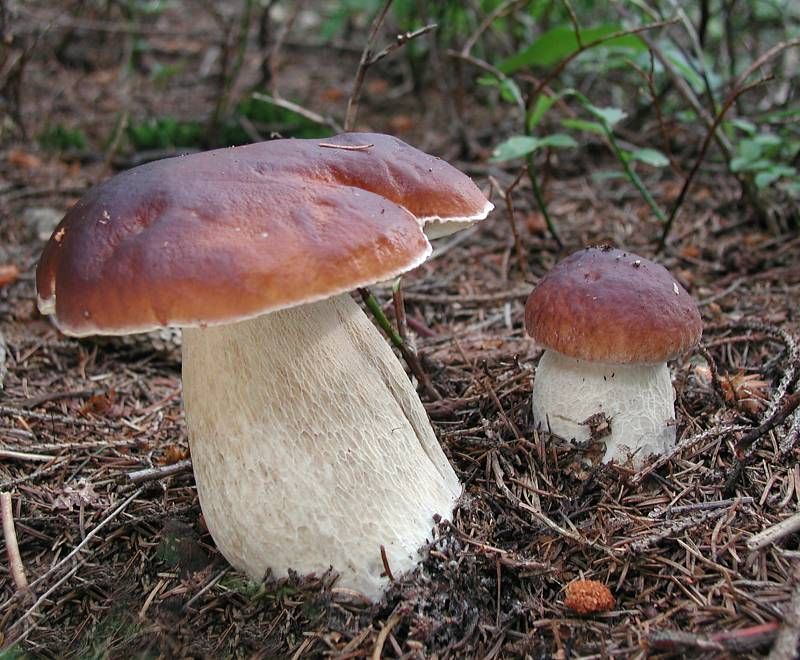
1. Porcini (Boletus edulis) 🍽️
Porcini, also known locally as mânătărci or pitoance, are among Romania's most prized edible mushrooms. Their rich aroma and firm texture make them suitable for everything from soups and stews to more elaborate dishes.
2. Honey fungus (Armillaria mellea)
These popular forest mushrooms are valued for their delicate flavor. They grow mainly on fallen tree trunks and are traditionally pickled or used in dishes such as stews and pies.
3. Chanterelles (Cantharellus cibarius)
Known locally as yellow mushrooms, chanterelles are easy to recognize by their vivid color. Their delicate, slightly fruity flavor makes them popular fried, in soups, or alongside other dishes.
4. Oyster mushrooms (Pleurotus ostreatus) 🍜
Oyster mushrooms are appreciated for their meaty texture and delicate taste. They are easy to cultivate and used in many dishes, including grilled meals and soups.
5. Saffron milk caps (Lactarius deliciosus)
This forest mushroom is prized for its vivid orange color and pleasant, mildly peppery taste. It is often pickled, fried, or added to traditional Romanian dishes.
🤔 Mushroom Culture: Loved and Feared
Mushrooms occupy a special place in our culture: we love them and dislike them, fear them, and sometimes misunderstand them. These unusual organisms carry powerful symbolism in our myths and legends. In everyday language, the words “mushrooms” and “fungi” are often used interchangeably, even though they have different meanings.
Ultimately, it is important to learn about mushrooms so we can enjoy their flavor and benefits safely.


